

“Why do sound engineers say, ‘Check one-two. Check one-two?’ Because if they count to three, they are expected to lift something.”
– The oldest sound engineer joke
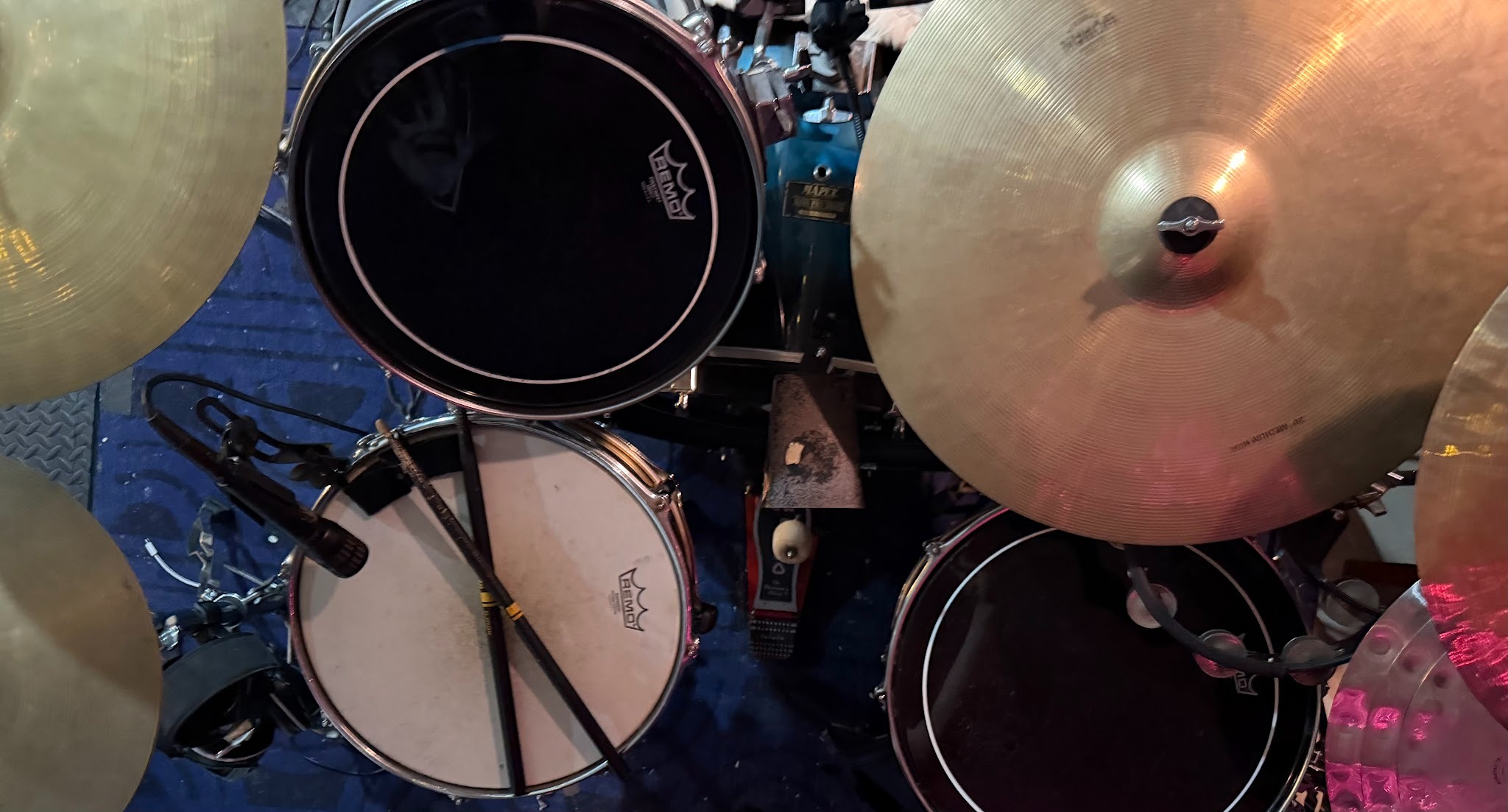
So you’ve made it to the big time, and some grumpy old guy wearing either a Dream Theater or Steely Dan t-shirt and a peek-a-boo buttcrack is micing up your kit. You don’t want to look like an idiot, especially not in front of this guy, so here is how to sound check drums without coming off like a noob.
Actually Show Up for Soundcheck.
I know this step sounds easy, but this is where most bands go wrong. Granted, day jobs and traffic can make this damn near impossible, but the best way to sound good on stage is let the engineer do their job in peace before the crowd even gets there. And if you get there early, you may even get to watch the opening bands! Supporting other people’s dreams? What a concept!
Set up your Gear Quickly and Correctly.
Get your drums set up and positioned correctly as quickly as possible. A sure fire way to annoy the sound engineer is to reposition stands after they get the kit mic’ed up, forcing them to start from square one. Nobody likes double work.
The Kick.
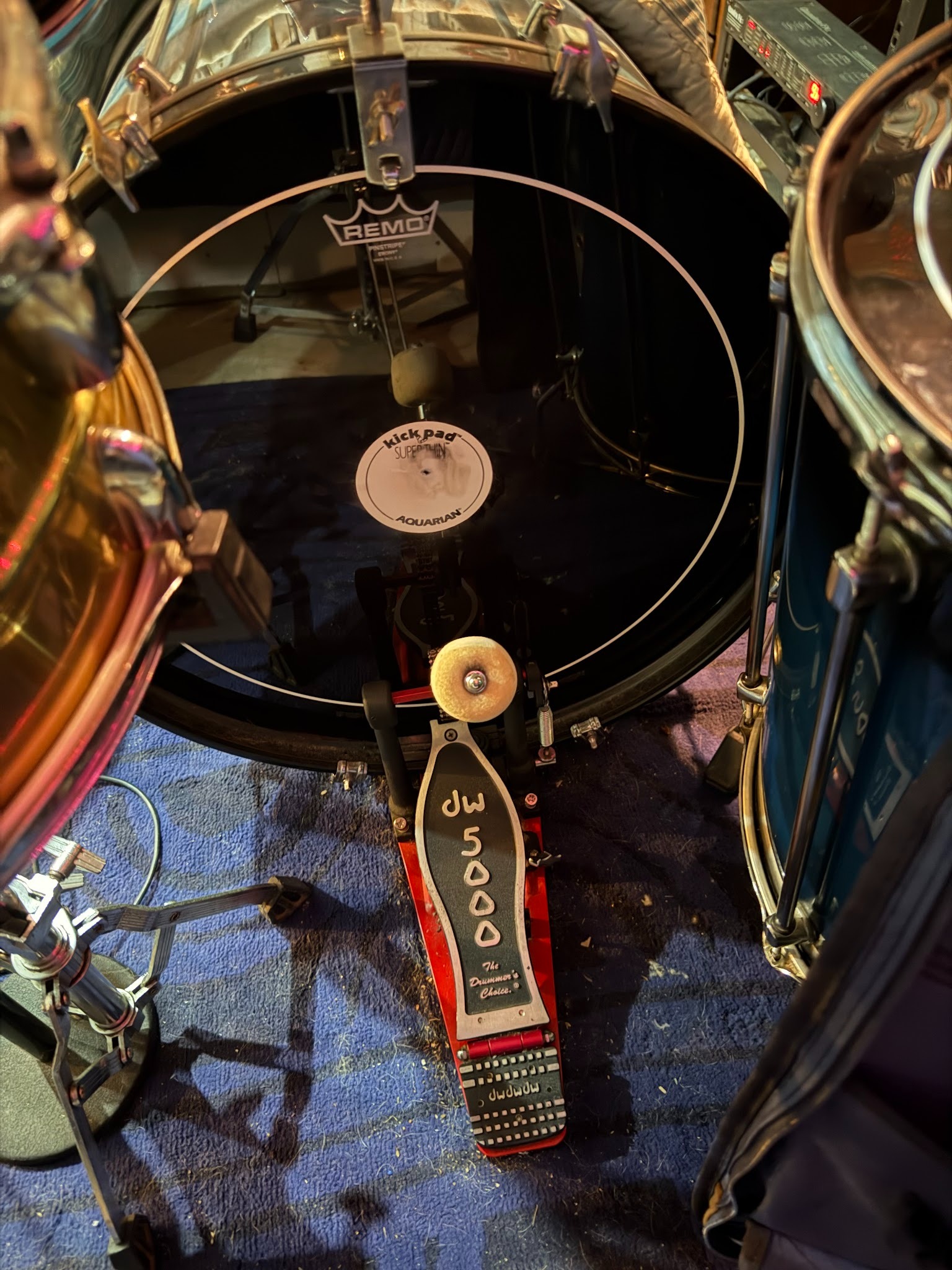
Also called the bass drum, engineers call it the kick to differentiate it from the bass guitar when they mark the board. Keep a slow, steady four-on-the-floor, like your own personal rave. You want to play the drums as loud as you play on your loudest songs. This allows the sound guy to dial in his gates and compressors. This is not the time for “Scentless Apprentice” or “The Immigrant Song.” That will come later.

The Snare
Keep a slow, steady two and four on the snare for the same reasons. Extra credit for hitting rim shots each time.
The Toms
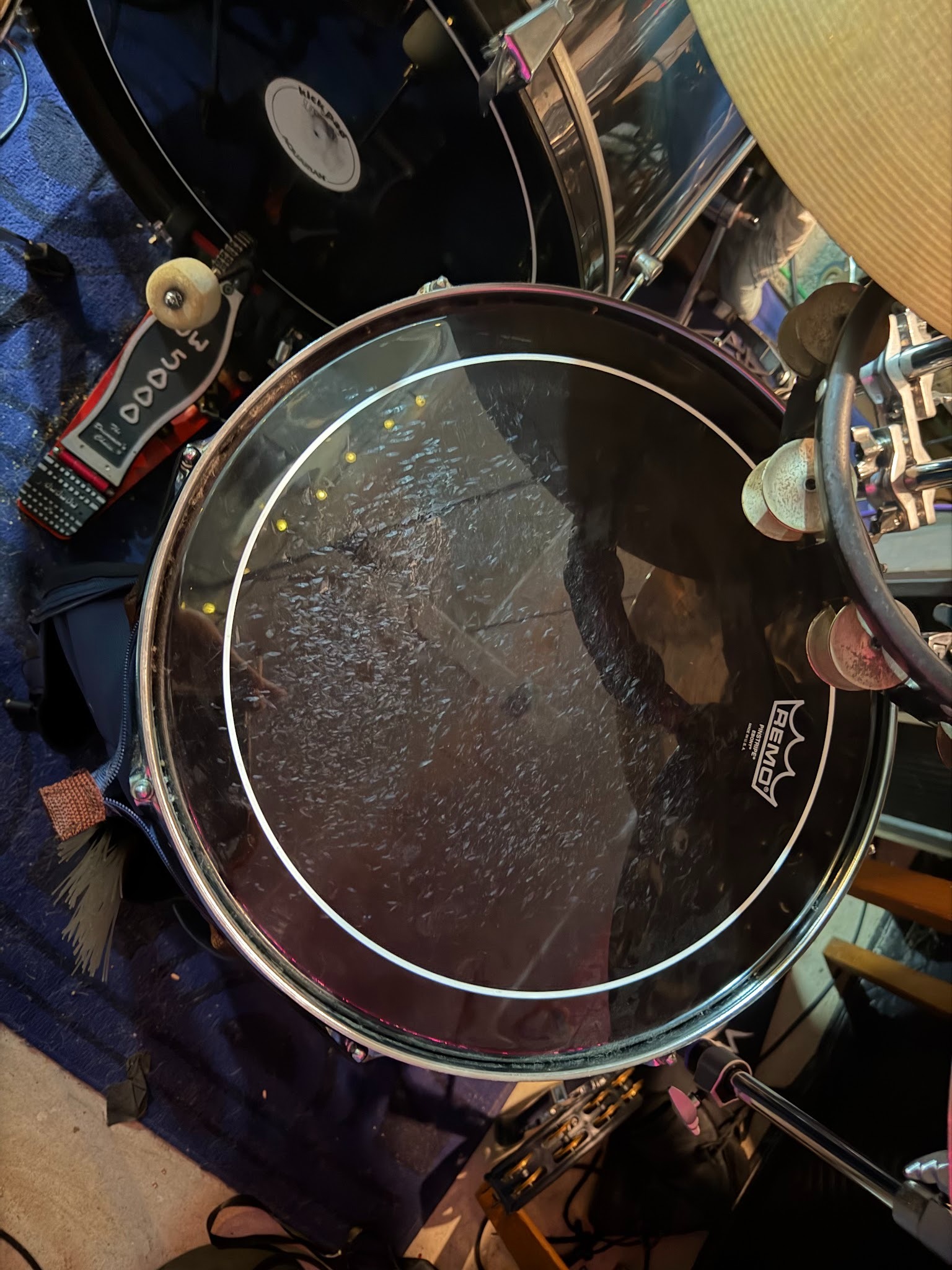
While a lot of places only have snare, kick, and a mono overhead mic for everything else, other clubs will spot mic the toms. Start with whichever tom the engineer asks for. You want to bang the drums slowly enough that you can hear the tom’s sweet, sweet decay between each hit.
Maybe the Cymbals
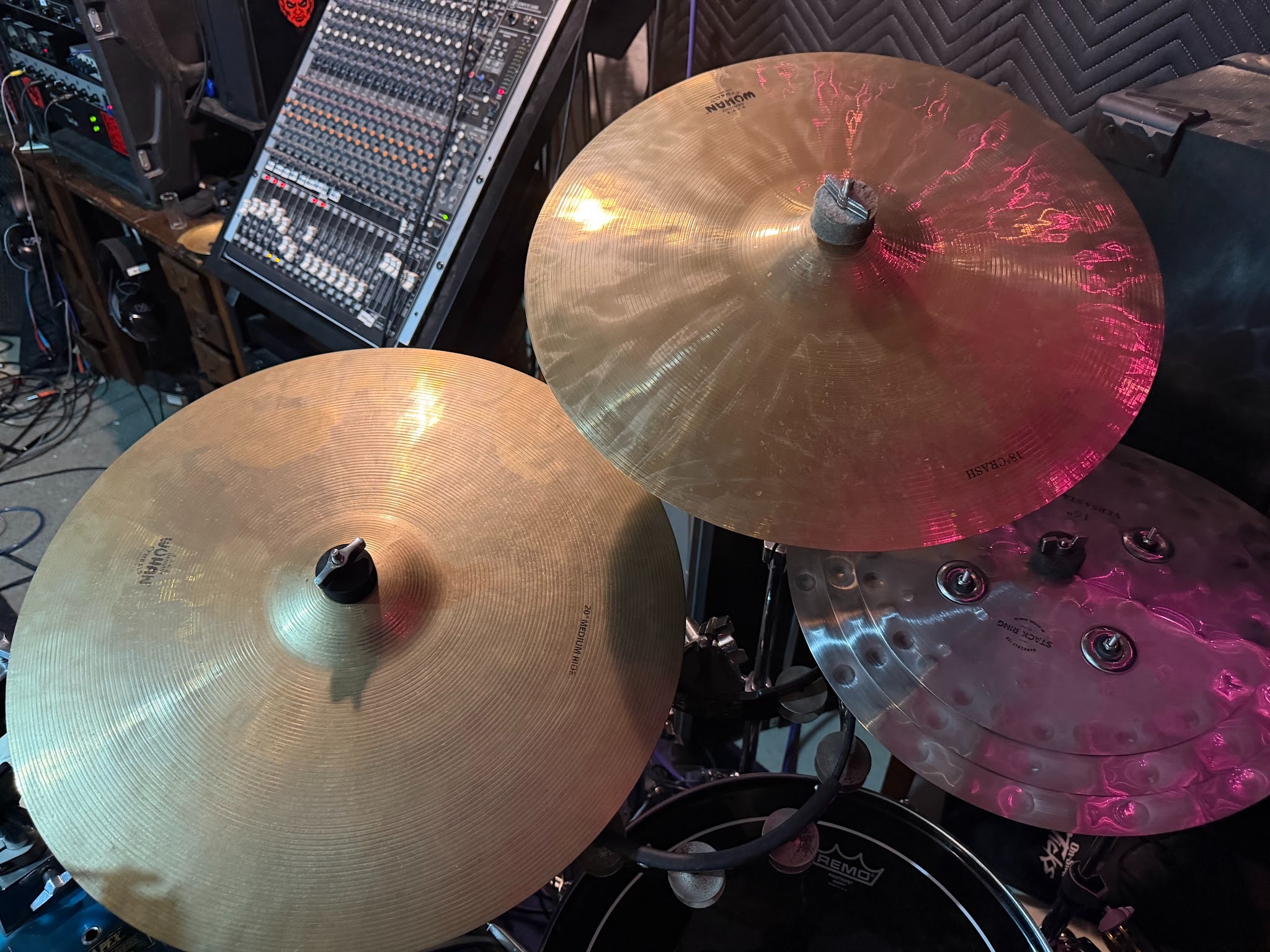
I’ve never had an engineer ask for just cymbals, especially in a live setting, but I’m sure it happens in clubs that are nicer than the ones I’ve played. Don’t hit more than one cymbal at a time unless the engineer asks for it.
The Whole Kit
This is when you do a round-robin, making sure to hit all your toms, china cymbals, slap stacks, roto-toms, gongs, timpani, etc. It’s best to start off easy, and then it’s time to get fancy with the Purdie shuffle, “Making Plans for Nigel,” or “Walk this Way.” My buddy Paul Smith soundchecked Marky Ramone for a Misfits show and could identify every Ramones song he played at soundcheck by just the drums. Talk about iconic.
What do you want in your monitor?
When in doubt, ask for a bit of everything in your wedge, that is, if you even get a monitor or in-ears. That’s why it’s best to memorize your parts to the point where you can play all the songs by yourself to prepare for house parties. I usually ask for vocals, bass, guitars, bass, keys, and kick, but I’ll take whatever they give me.
But wait, you’re not done!
Quiet on the Set!
This is the most important and yet hardest part. Once your turn is over, you must remain silent for the rest of the band to take their turn. Check your phone messages, pick your nose, apply more Axe Body Spray, anything to keep yourself from tuning your snare for the fiftieth time or chewing on the mic cables.
Congratulations! You’ve successfully tested your drums! Now it’s time to grab your drink tickets before your singer drinks them all. Just don’t get too loaded to play.
1-2-3-4!
End.